


Thigh Gap Surgery
The shape and spacing between the thighs can vary naturally from one person to another due to body structure, fat distribution, muscle anatomy and skin characteristics.
For individuals who are concerned about fullness in the inner-thigh region, Thigh Gap treatment may help create a more defined and streamlined appearance through personalised contouring.
The treatment is planned according to your individual anatomy rather than aiming for a fixed or identical result for every patient.
What Is Thigh Gap Treatment?
Thigh Gap treatment focuses on the appearance of the inner thighs and the surrounding leg contour. In selected patients, reducing localised fat from the inner-thigh area can create a more refined transition between the legs.
The procedure may involve targeted fat reduction using an appropriate contouring technique. The recommended approach depends on your body structure, fat distribution, skin elasticity and desired outcome.
Who May Consider Thigh Gap Treatment?
This treatment may be considered by individuals who:
- Have localised fullness around the inner thighs
- Want a more streamlined appearance of the upper legs
- Maintain a relatively stable body weight
- Have realistic expectations from aesthetic treatment
- Are medically suitable for an elective cosmetic procedure
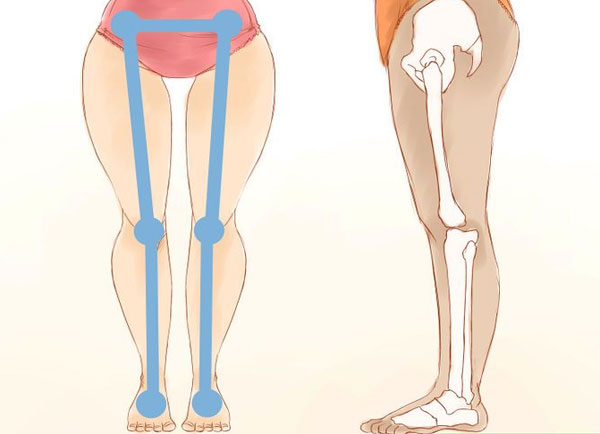
A consultation is important because the natural thigh gap is strongly influenced by skeletal structure and cannot be guaranteed through cosmetic treatment.
How Is the Treatment Planned?
01 — Consultation
Your aesthetic concerns and desired outcome are discussed in detail.
02 — Inner-Thigh Assessment
The surgeon evaluates fat distribution, skin quality, muscle structure and overall leg proportions.
03 — Treatment Selection
A suitable contouring approach is selected based on your individual anatomy and clinical requirements.
04 — Targeted Contouring
The selected areas are treated with attention to symmetry and the natural proportions of the thighs.
05 — Recovery & Follow-Up
Detailed aftercare instructions are provided, along with follow-up appointments to monitor your healing and progress.
Important Factors Affecting a Thigh Gap
The appearance of a thigh gap is influenced by several factors, including:
- Pelvic and leg bone structure
- Hip width
- Femur alignment
- Muscle development
- Fat distribution
- Skin elasticity
- Overall body composition
Because many of these characteristics are anatomical, not every person can achieve a visible thigh gap through fat reduction alone.
Benefits of Inner-Thigh Contouring
For appropriately selected patients, treatment may help:
- Reduce localised inner-thigh fullness
- Create a smoother leg contour
- Improve the appearance of thigh proportions
- Enhance definition between the upper legs
- Create a more streamlined overall silhouette
Results vary from person to person and depend on individual anatomy and healing.
Personalised Treatment Approach
There is no standard measurement or ideal thigh gap that applies to everyone. The objective of professional treatment is to create a balanced appearance that suits your natural body structure.
During consultation, your surgeon can discuss whether reducing inner-thigh fullness is likely to provide the improvement you are looking for and explain realistic expectations.
Recovery & Aftercare
The recovery period depends on the treatment technique and the extent of contouring. Temporary swelling, bruising, tenderness or tightness may occur following treatment.
Your surgeon will provide personalised instructions regarding compression garments, physical activity, wound care and follow-up.
Strenuous exercise should be resumed only according to your surgeon's advice.