

Hour Glass Shape
Create a More Defined and Proportionate Body Silhouette
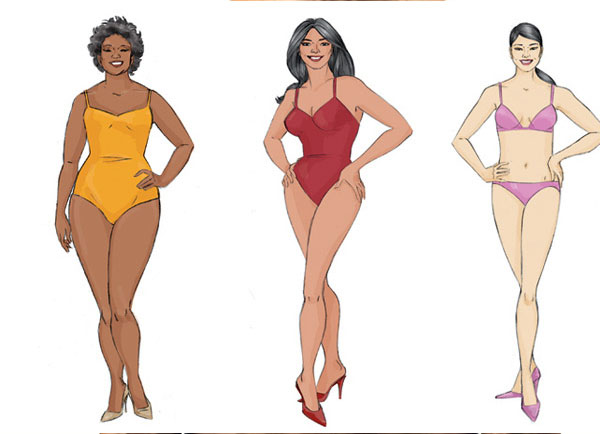
The natural shape and proportions of the body vary from person to person. Some individuals may desire a more defined waist and balanced curves to create a feminine, proportionate silhouette.
Hour Glass Shape treatment is a personalised aesthetic approach that focuses on improving the visual relationship between the waist, abdomen, hips and other selected areas. Depending on individual anatomy and goals, suitable surgical procedures may be planned to refine body proportions.
What Is an Hour Glass Shape Treatment?
An hourglass silhouette is generally characterised by a more defined waist with balanced proportions between the upper and lower body. Creating this appearance through cosmetic surgery requires an individualised assessment of:
- Waist definition
- Abdominal contour
- Hip and flank areas
- Existing body proportions
- Skin and tissue quality
- Available fat distribution
The treatment plan is not identical for every patient. Your surgeon will determine which procedures, if any, may be appropriate after a detailed consultation.
Areas That May Be Addressed
Waist Definition
Improving the appearance of the waist can help create greater visual contrast between the waist and surrounding areas. Treatment is planned according to your natural anatomy and tissue distribution.
Abdomen
Selected areas of abdominal fat or excess tissue may be addressed when appropriate to improve the overall transition between the abdomen and waist.
Hips & Flanks
The hip and flank region can influence the overall silhouette. Carefully planned contouring may help create smoother and more balanced proportions.
Curves & Proportions
In selected patients, additional volume may be considered where appropriate to improve overall symmetry and proportion. The exact approach depends on individual assessment.
Who May Consider Hourglass Shape Treatment?
This treatment may be considered by individuals who:
- Want a more defined waistline
- Desire improved body proportions
- Have specific areas of localised fat
- Are close to their healthy and stable body weight
- Have realistic expectations from aesthetic treatment
- Are medically suitable for elective cosmetic procedures
A consultation is necessary to determine whether the desired outcome is realistically achievable and which treatment options may be appropriate.
Personalised Treatment Planning
Achieving a balanced silhouette requires more than focusing on a single area. During consultation, your surgeon will assess your overall proportions and identify the areas that may contribute to the appearance you want to achieve.
Your personalised plan may involve:
01. Body Assessment
Evaluation of your waist, abdomen, hips, flanks and overall proportions.
02. Understanding Your Goals
Discussion of the shape and degree of definition you would like to achieve.
03. Procedure Selection
Suitable surgical options are considered based on your anatomy and clinical requirements.
04. Proportion Planning
Treatment is planned to maintain balance between different areas rather than over-emphasising one feature.
05. Recovery Guidance
You receive information regarding healing, aftercare and follow-up.
Why Is Individual Planning Important?
An hourglass appearance cannot be created using the same technique or measurements for every person. Body structure, ribcage shape, pelvis, skin elasticity, muscle development and fat distribution all influence the final contour.
For this reason, a professional assessment is important before deciding on any cosmetic procedure.
The goal is to work with your natural anatomy and create a refined, balanced and proportionate appearance.
Results & Expectations
The outcome of aesthetic body-shaping procedures varies between individuals. Factors such as body structure, skin quality, weight stability, healing, and the selected technique can influence the final appearance.
Your surgeon will discuss realistic expectations, potential limitations, recovery requirements and possible risks before treatment.